Inria Chile: Driving the technological frontier of Astronomy in Chile
Date :

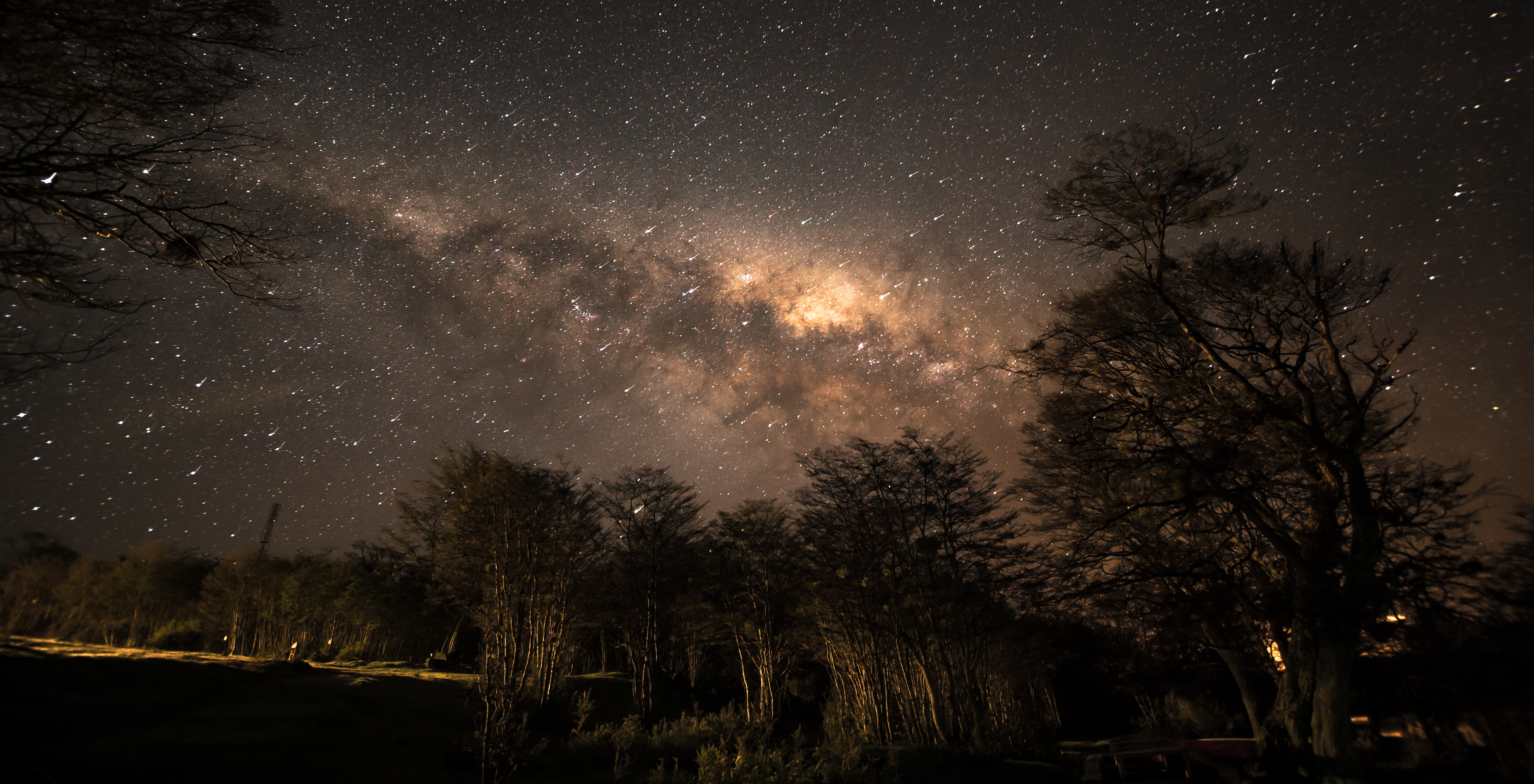
Astronomy is a priority strategic axis for Inria Chile, especially considering that by 2030, Chile will host nearly 70% of the world's observational capacity. By pushing the boundaries of scientific and technological knowledge through cutting-edge digital sciences and artificial intelligence solutions, complex challenges posed by the operation of major observatories are addressed, enabling groundbreaking discoveries that benefit both the Chilean and international scientific communities.
Through comprehensive solutions, ranging from the design of technological infrastructures to advanced control and visualization systems, Inria Chile has become a key collaborator for the country's leading observatories.
Since the establishment of Inria Chile, the Center has been an active partner in astronomical sciences in Chile, optimizing the operation of the world's most powerful telescopes using tools such as artificial intelligence and data visualization, and generating digital innovations that can later be successfully applied to other key sectors for the country, such as mining, the environment, or agriculture.
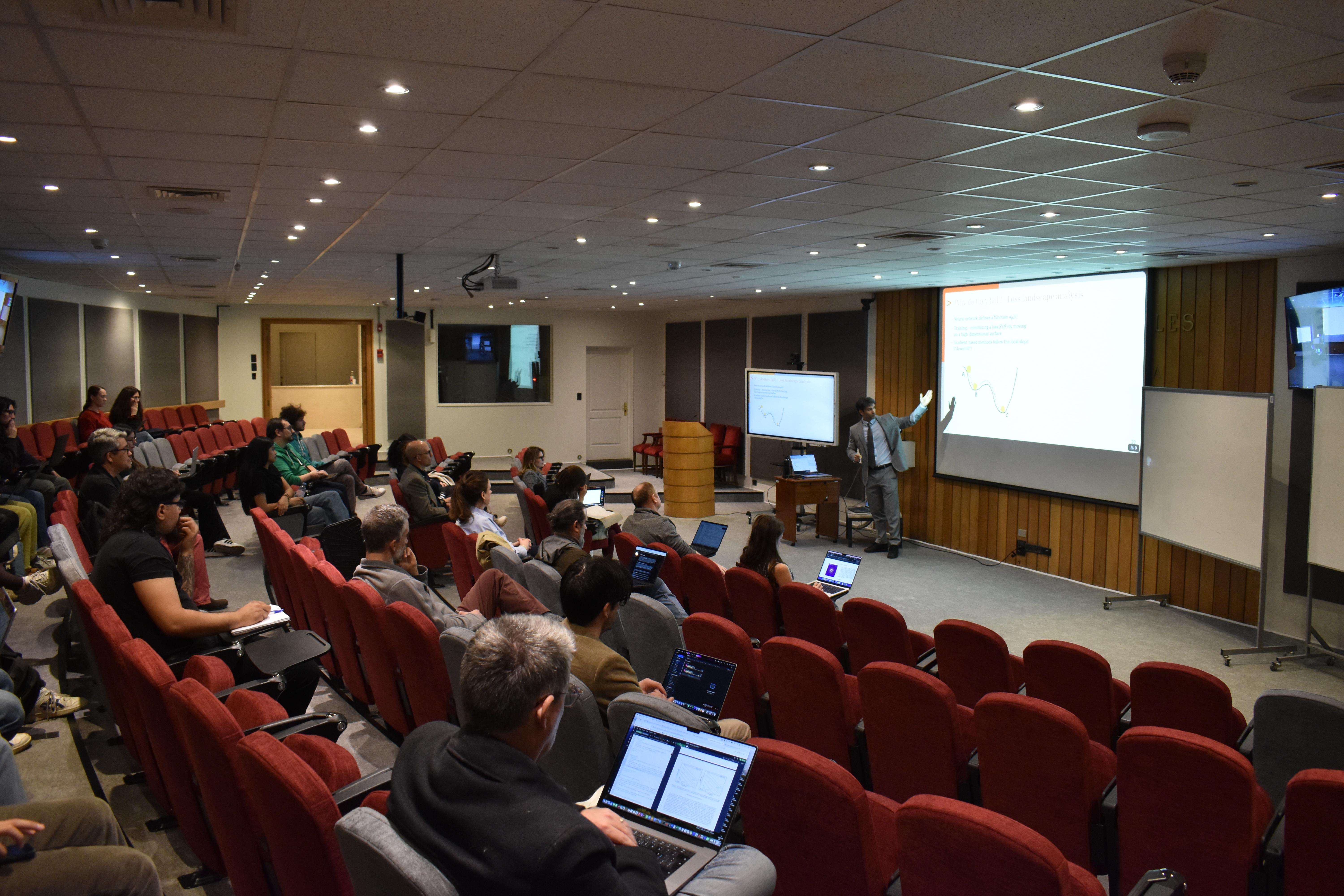
In 2022, Inria Chile and Universidad Diego Portales signed a collaboration agreement in AI and astrophysics, driving a stellar atmosphere modeling project. This work, which formed the basis of Theosamuele Signor’s doctoral thesis (supervised by Nayat Sánchez-Pi from Inria Chile and Paula Jofré from UDP), was defended on May 11, 2026, earning him a PhD in Astrophysics.
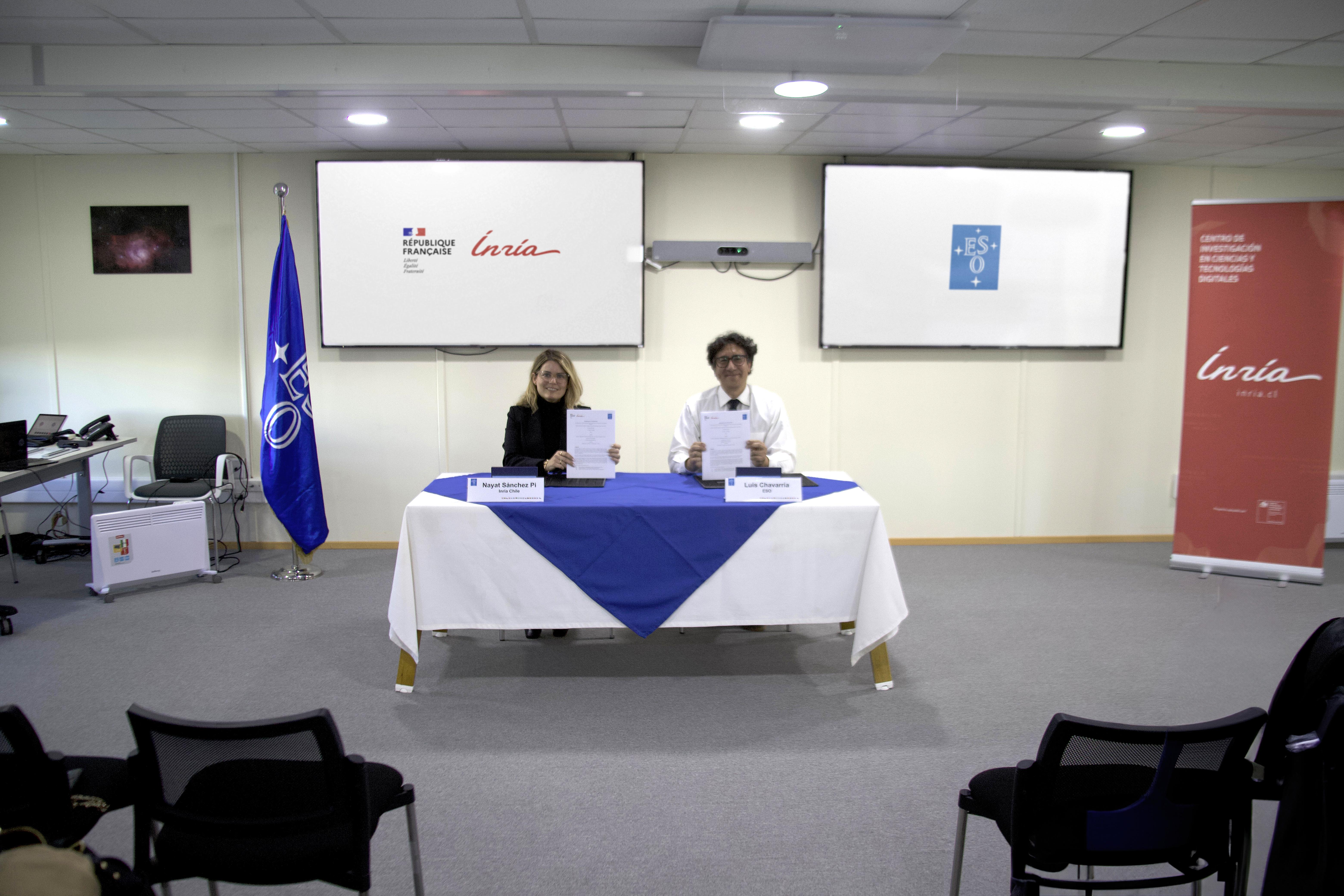
Inria Chile and the European Southern Observatory (ESO) signed a memorandum of understanding to advance the digital transformation and integration of operations for the Very Large Telescope (VLT) and the Extremely Large Telescope (ELT). The institutions aim to integrate AI and data analysis to optimize the maintenance and technological infrastructure of the world’s two largest telescopes.
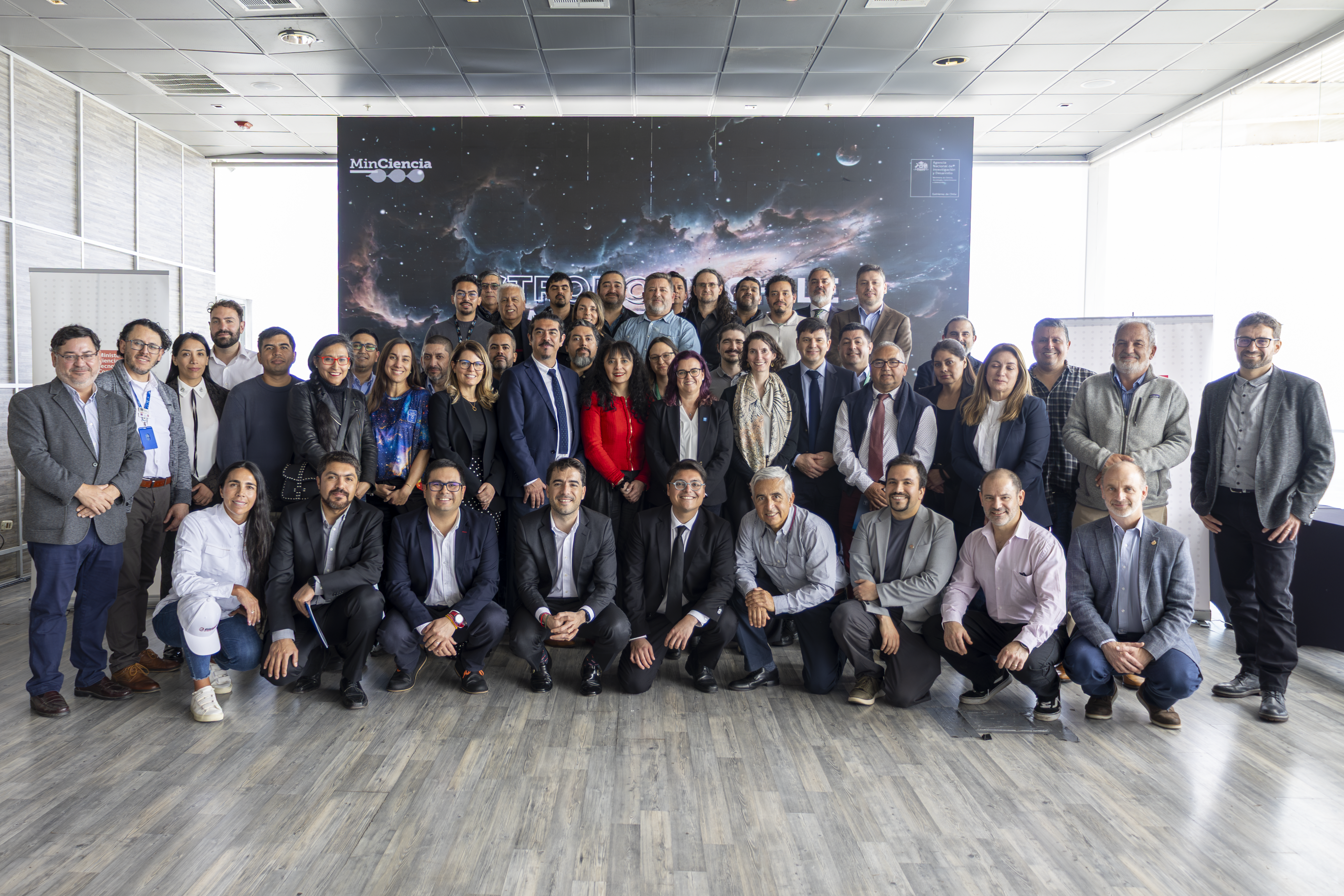
Linking cutting-edge science with industry challenges, Inria Chile actively participated in the "Astronomy Chile Industry Day." This initiative, driven by the Chilean Ministry of Science, Technology, Knowledge, and Innovation, and the Chilean National Agency for Research and Development (ANID), aimed to showcase the technological capabilities developed in astronomy and transfer them to key productive sectors such as mining, energy, and advanced manufacturing.
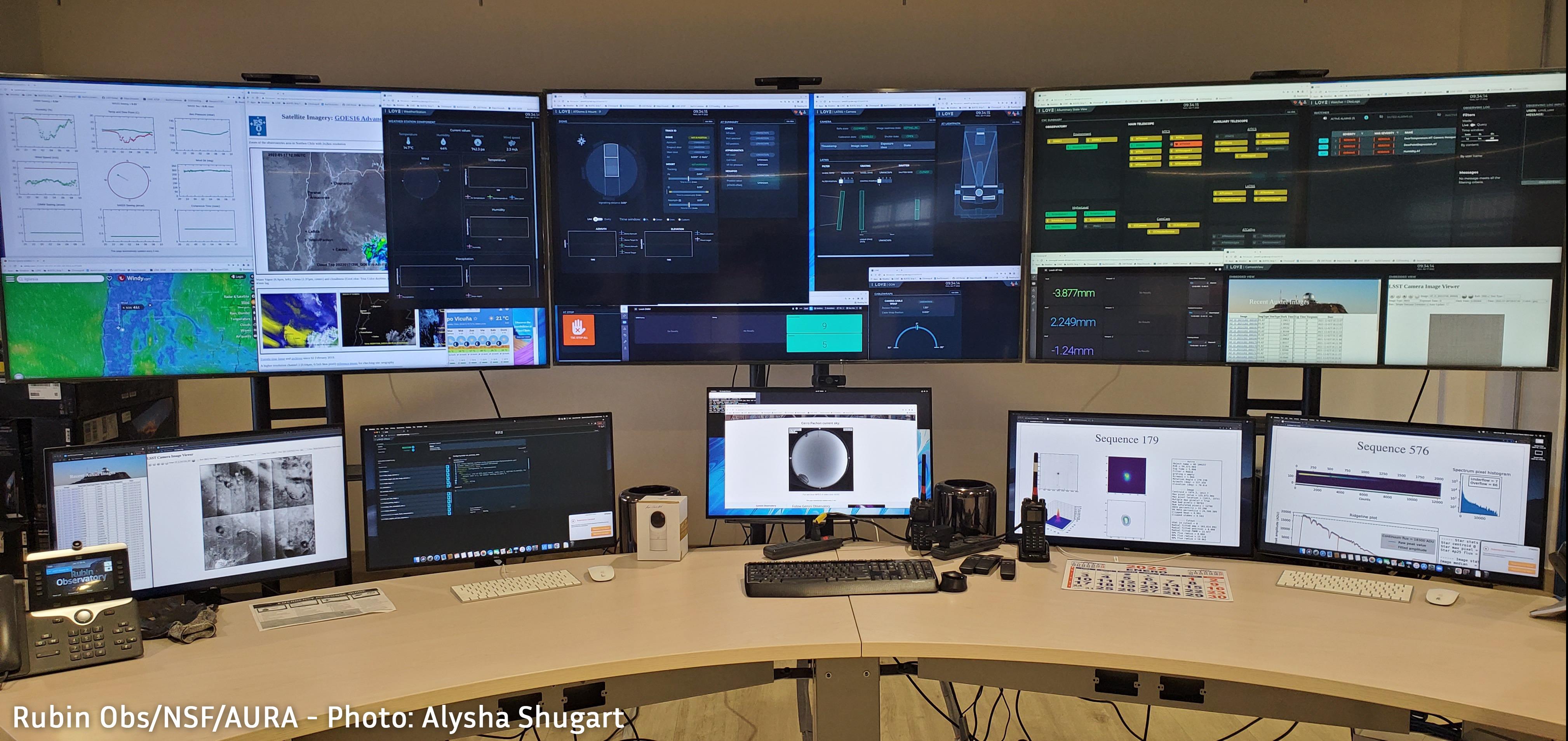
With the L.O.V.E. (LSST Operator’s Visualization Environment) project, Inria Chile created and implemented an environment allowing operators of the Vera Rubin Telescope to monitor over 4,400 parameters per second in near real-time, facilitating the management of panoramic sky images. The project was carried out in parallel with the construction of the observatory over a period of six years and, following a structured roll-out, all software milestones and deliverables were completed, establishing an advanced ecosystem for cutting-edge operations in the southern hemisphere.
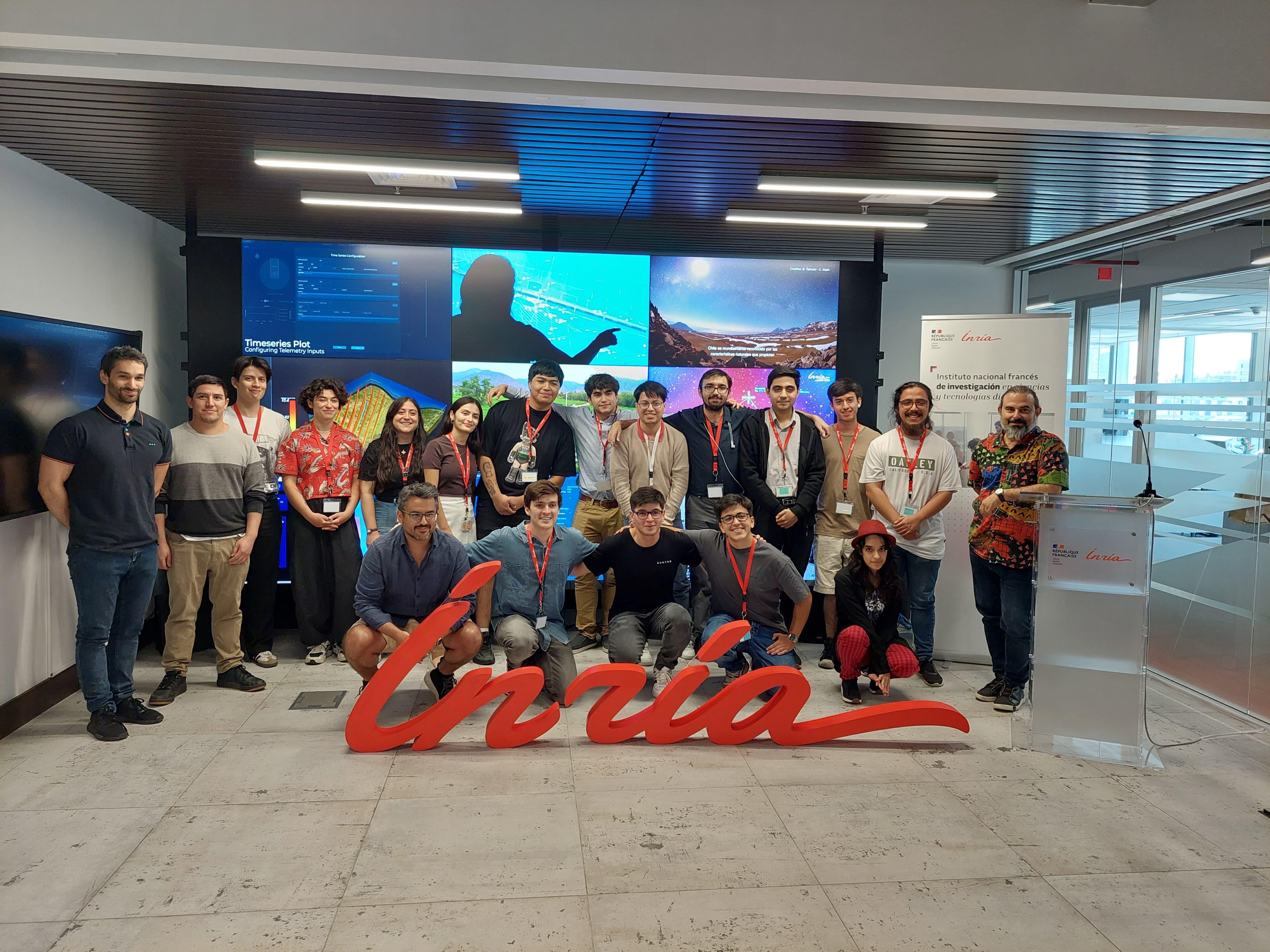
Over two days, 14 interns who spent 2 months in Inria Chile shared their experiences with peers and researchers, discussing some of the projects they worked on during their internships. This was an opportunity for them to present the results they achieved and their key learnings. Two of them - from Universidad Austral de Chile and Pontificia Universidad Católica de Chile - presented the results obtained in the “AI-Powered Modeling of Stellar Atmospheres” projects.
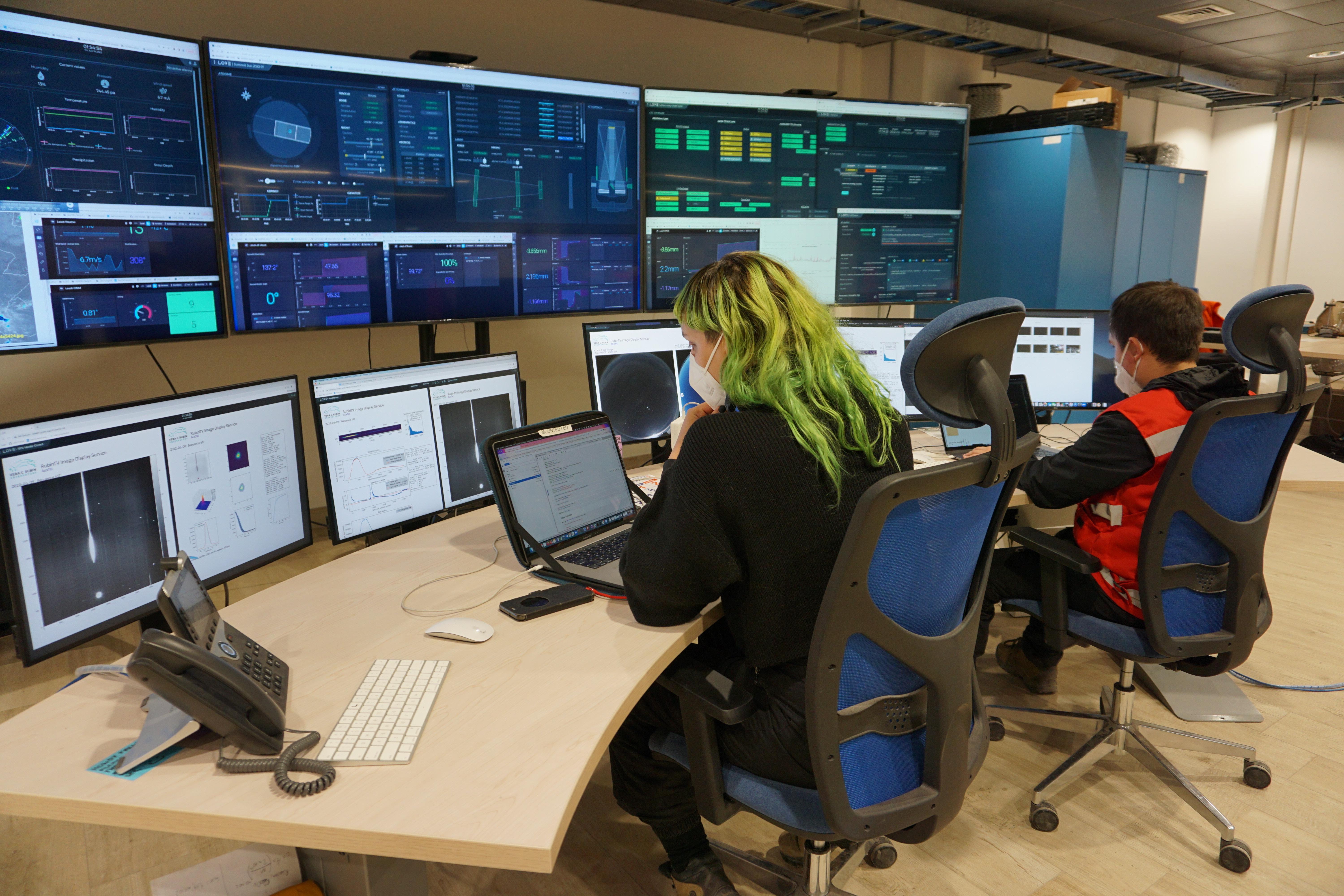
Numerous workshops and visits were organised from the start of the collaboration with AURA in 2017 until the end of the project. These in-person exchanges included workshops in Tucson, Arizona, at AURA’s headquarters; in Santiago, Chile, at Inria Chile’s offices; and also at Cerro Pachón, in the Coquimbo region of Chile, during the telescope’s construction. Here, we invite you to discover one of the visits made by the Inria Chile team to the observatory during the infrastructure construction phase.
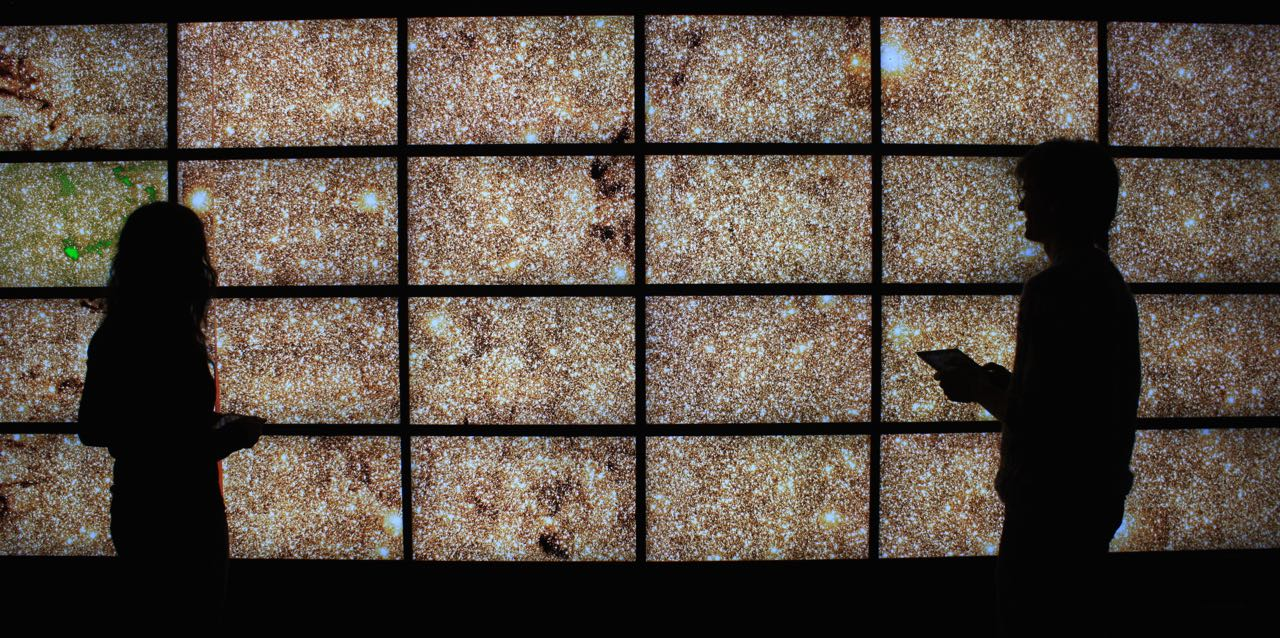
FITS-OW is an application designed for wall-displays that enables scientists to visualize and interact with massive collections of images in FITS (Flexible Image Transport System) format. Facing the challenge of analyzing large volumes of heterogeneous data, this tool facilitates collaborative research and teaching by allowing simultaneous analysis of details and contexts, querying external databases, and loading technical documents on a unified platform.
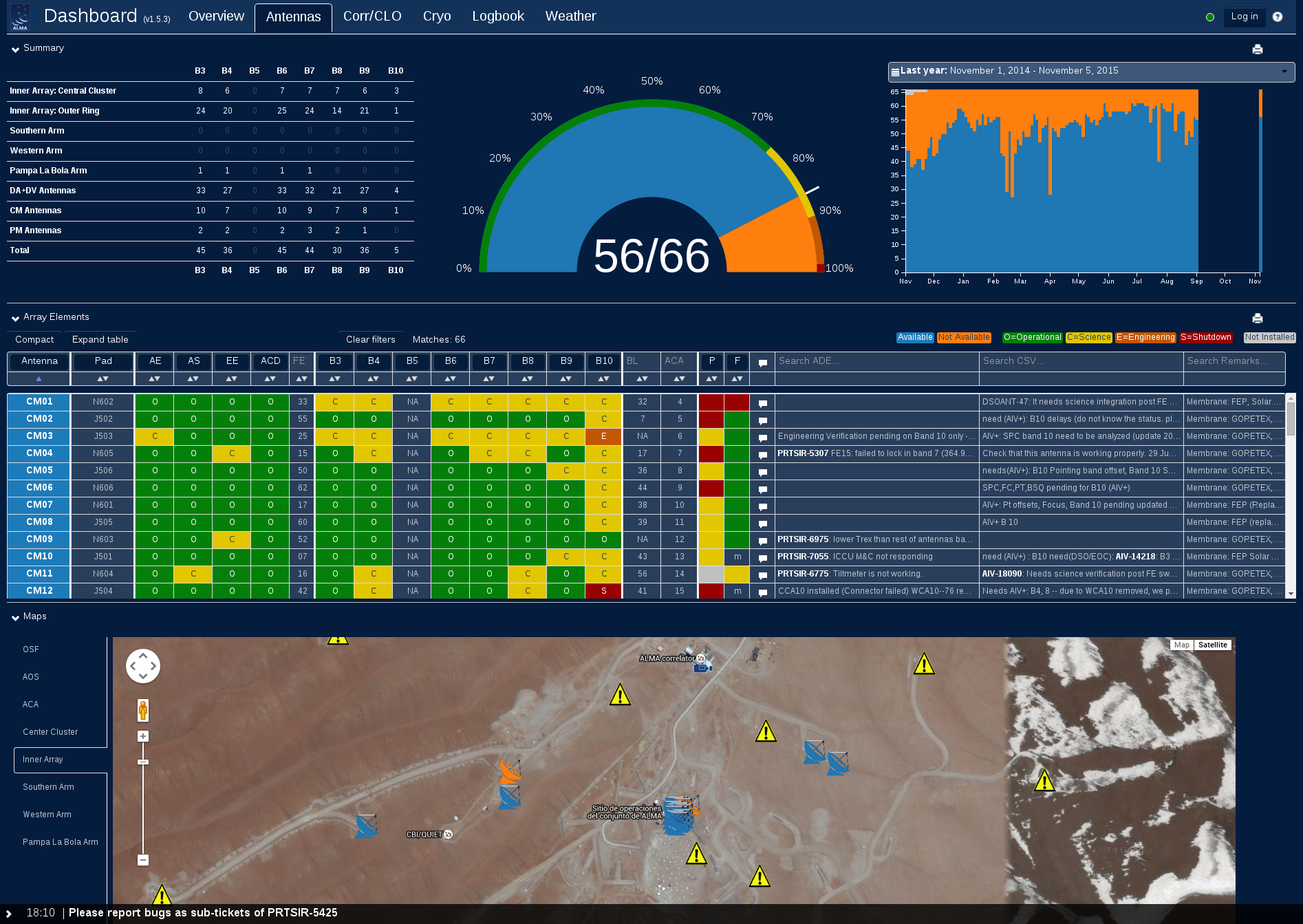
The ALMA Observatory is a complex system composed of a large number of components that must be managed and monitored. This requires tools to monitor and control these components. Inria Chile developed the ALMA dashboard, a high-level control panel that allows astronomers and technicians to supervise the status of internal systems and antennas in a simplified and efficient manner.
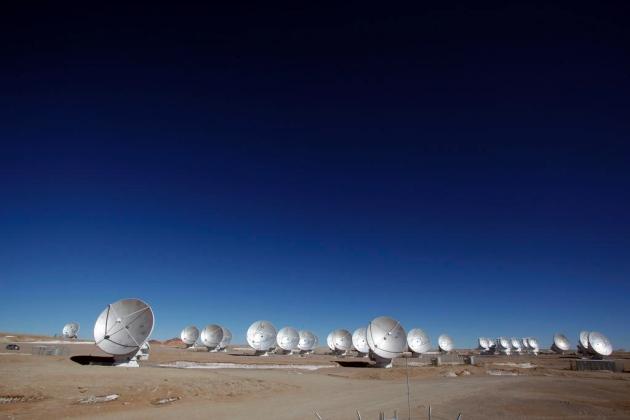
Inria Chile developed the Integrated Alarm System (IAS) for the ALMA Observatory to streamline operator responses to emergencies. This system consolidates multiple individual alarms into a single platform, optimizing response times and ensuring the proper functioning of the 66 antennas.